What is Wrong with #hamradio?

In response to Ria Jairam N2RJ’s question on Twitter:

Tell me what’s wrong with #hamradio and how you’d fix it. If you’re uncomfortable responding on twitter, email me ria@n2rj.com

I’m not normally one to call out organizations but the ARRL is all we got as hams, really. People have argued with me on the merits of being a member, and I say “they’re all we have to represent us”. No other org lobbies the interests of hams and protects our bands– not ragtag petitioners, nor even conglomerations of clubs. Given that, the ARRL is our only hope. Yet it is a very slow and disconnected organization. Our “newsletters” are mostly stale and dry, member notification and communication is mainly through a magazine. Most ARRL officers have no online presence. Any “open door” policy by our elected officers is effectively blocked by lack of online presence. Board activities are secretive, if not simply poorly documented. Then there’s the brainstorm fatigue we experience yearly. The ARRL is always asking us what can we do to improve membership and get more people hooked into the hobby. If you have to ask, and this many times, perhaps it’s true that the hobby is not relevant anymore. But talk to many experienced hams and you’ll see motivation, drive, deep interest, projects, experimentation, and exhilaration when things come together. The ARRL needs to stop broadcasting its helplessness. It does not inspire confidence when our main and only org is grasping straws and constantly probing its members for solutions. If you lack a direction or ideas, hire experts (as most normal companies do when they lack talent). Or maybe hire and involve the very people who are actively demonstrating this momentum in their own endeavors. There are many such hams to choose from. Kind of like scouting for sports talent, bring those people in and give them the resources to create an impact with the membership (and non-membership). This is not simply done with a magazine article or two. It is not done through podcasts or five talking heads in a video livestream. There needs to be organizational support for sharing ideas online, communicating, interacting, and even sponsoring the individuals  who have these new inventions/ideas. Many hams oversimplify the ARRL as a bureacratic magazine subscription. Sticking to paper methods, and a disjointed bunch of half-finished web services contribute to this sentiment. Can we honestly say that the ARRL website is a good user experience? Yet the ARRL is so much more than how it appears, and the membership needs to see the organization’s strength. Hire PR. Hire talented active individuals. Bring in those who engage the hams and the public regularly. Become the best “club” that people are excited to attend. Nothing is wrong with ham radio in itself. But if we want it to continue to exist in the future, the main organization that represents it needs to be a hundred times more efficient and effective than it currently is.
Battery Components List

I’ve been sharing each of my LiFePO4 DIY battery builds on Twitter, and inevitably people want to know what parts they need. They’re too many to list in a tweet, so I thought I’d keep a running page here to refer people to. These things have been acquired over many months, and are not all inclusive. The reason I keep making them is to try out new things. Typical 6.5Ah to 7Ah 32700 build:


First QSO on AO-92 Satellite

I received an Arrow II antenna from N9BAV today, a very generous gift after I tweeted that I needed to buy said antenna. After I put it together, I looked on GoSatWatch app to see the next pass of well-known amateur satellites. I immediately recognized that AO-92 was going to pass very well overhead in about 2½ hours. So I prepped my Kenwood TH-D74A with the VHF downlink frequency (145.880MHz) on sub band A, and the UHF uplink (435.340MHz) on sub band B. My previous attempts at satellite with a HT whip antenna and my HVU-8 vertical have met with no success, so I was half expecting this Arrow to also be a failure where I wouldn’t get in. Much to my surprise, the RX side started quieting, and I was hearing solid full-quieting voices! I tried popping in my callsign and no one answered, I had doubled. Then I tried again and WB7VUF came back to me crystal clear. AWESOME. I finished that QSO, trembling with excitement and rambling a bit that this was my first satellite contact, then right after he closed KB6LTY called for me. TWO AO-92 contacts! One thing I learned is the TH-D74A, while having a very convenient recording feature, only records one of the two bands. Luckily I had it preset to sub band A, because I totally forgot about that. So I didn’t record myself, but only the RX. I need to learn how to program the different satellites into memories.


Getting Tired of Battery Posts Yet?

I know I am getting tired watching myself talk about batteries. But it’s just fascinating to me to refine the build and power management process of readily available LiFePO4 cells. There are so many kinds! And they keep improving. I guess I have China to thank for that, so much of Maker / electrical components can be found from inexpensive Chinese distributors, making it easier and easier to have your own DIY projects. Anyway, here’s the latest in my series of portable battery builds. I found some really cheap 7Ah cells on Aliexpress, and had to try them out. I don’t want to become “the Battery Guy” since there are tons of people already doing that– and much much better than me. However, I want to share in the collective knowledge. Here’s the latest test of the promising specifications of LiitoKala 32700 batteries.   https://youtu.be/IJ7DjxWB0Pg


Fabricating Gear

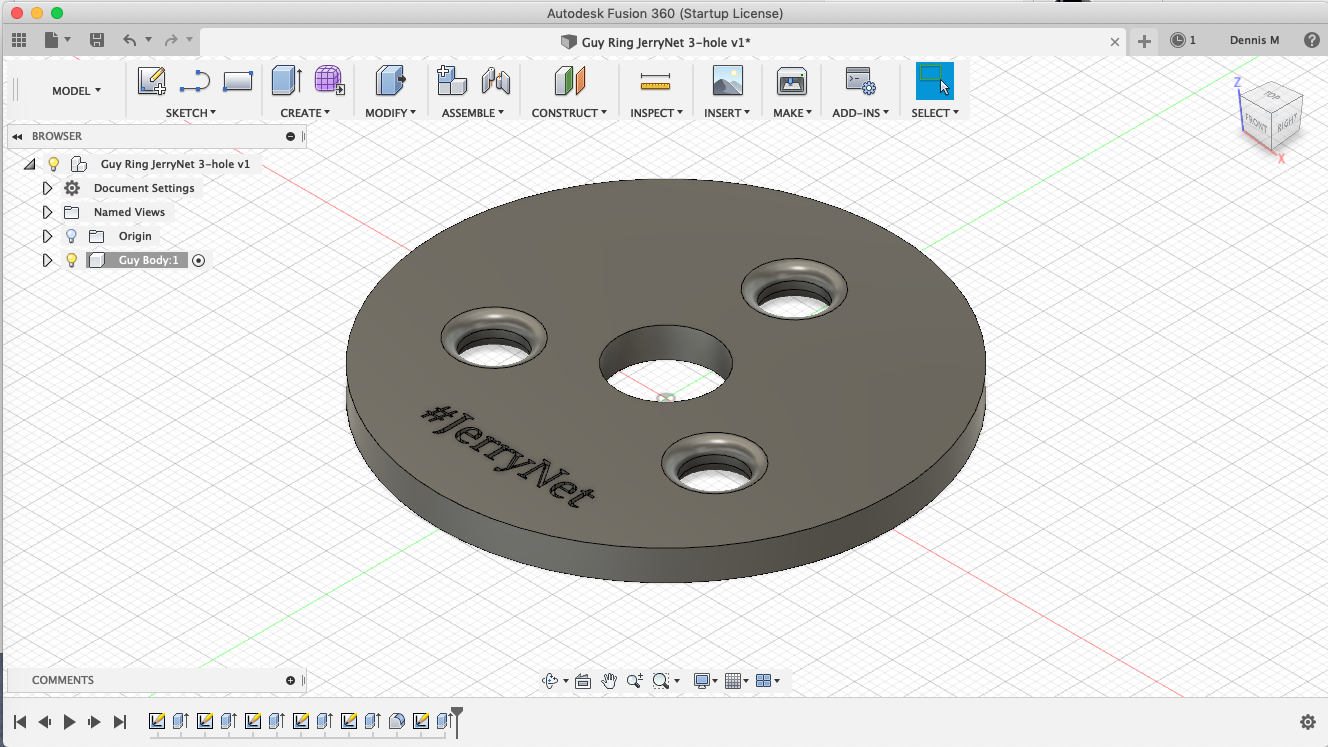
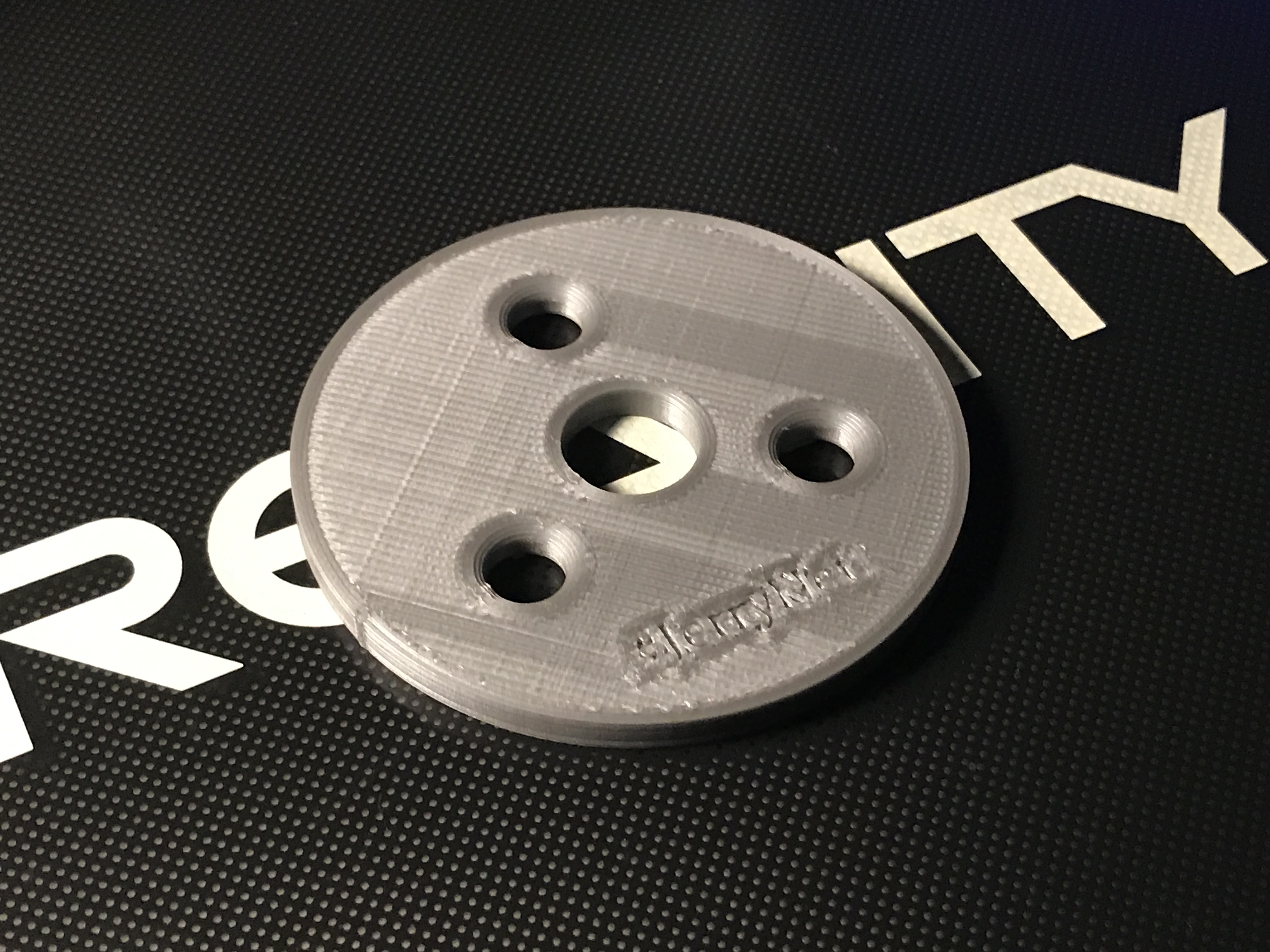
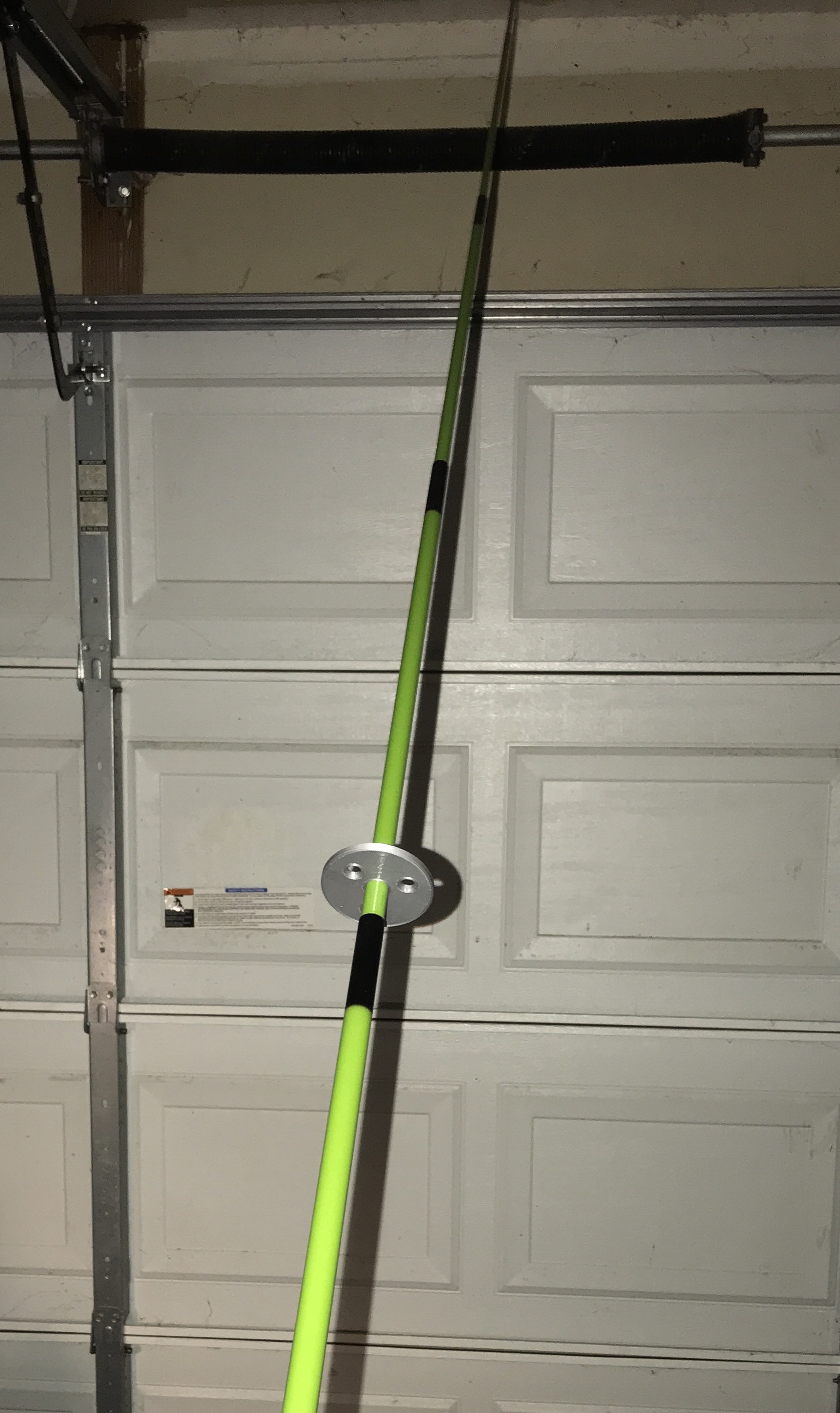
As many on Twitter have seen (and are probably already tired of seeing), I got myself a budget 3D Printer. Several of my coworkers would come to work with their “latest print” and it would range from utilitarian to really cool movie prop reproductions. In my mind, this hobby was prohibitively expensive. Last I heard about 3D printers, the entry-level ones ranged in the $1500+ range. And all I was seeing from those early adopters (circa 2013) was plastic bow ties and other such useless figurines; not enough of a motivator to dish out that kind of cash. I carried this mindset even to just this month, where one coworker said I could obtain a 3D printer for less than $200. He recommended the Anet A8, perhaps the cheapest consumer printer on the market. However, I went with a Creality Ender 3 since my other coworker had extensive experience with this model, and I thought it might be easier to diagnose problems if someone else I knew had the same machine. Since then I’ve started to apply this “toy” toward actual practical uses. And in the latest step, last night I designed a 3-hole guy ring for a portable mast completely from imagination, and printed it. 3D Modeling software for first design. First draft 3D print of 3-hole guy ring Testing fit of guy ring It happens all the time with engineers and artists, but the thought really hit home with this print that something completely in my mind became a real physical object through this process. Here’s another video of something I made from a design I found on Thingiverse. https://youtu.be/NzcrkViZPd8 Build projects will only increase now that it is possible to daydream designs and fabricate my own actual plastic parts.


DIY Portable 12v 15Ah Power Box

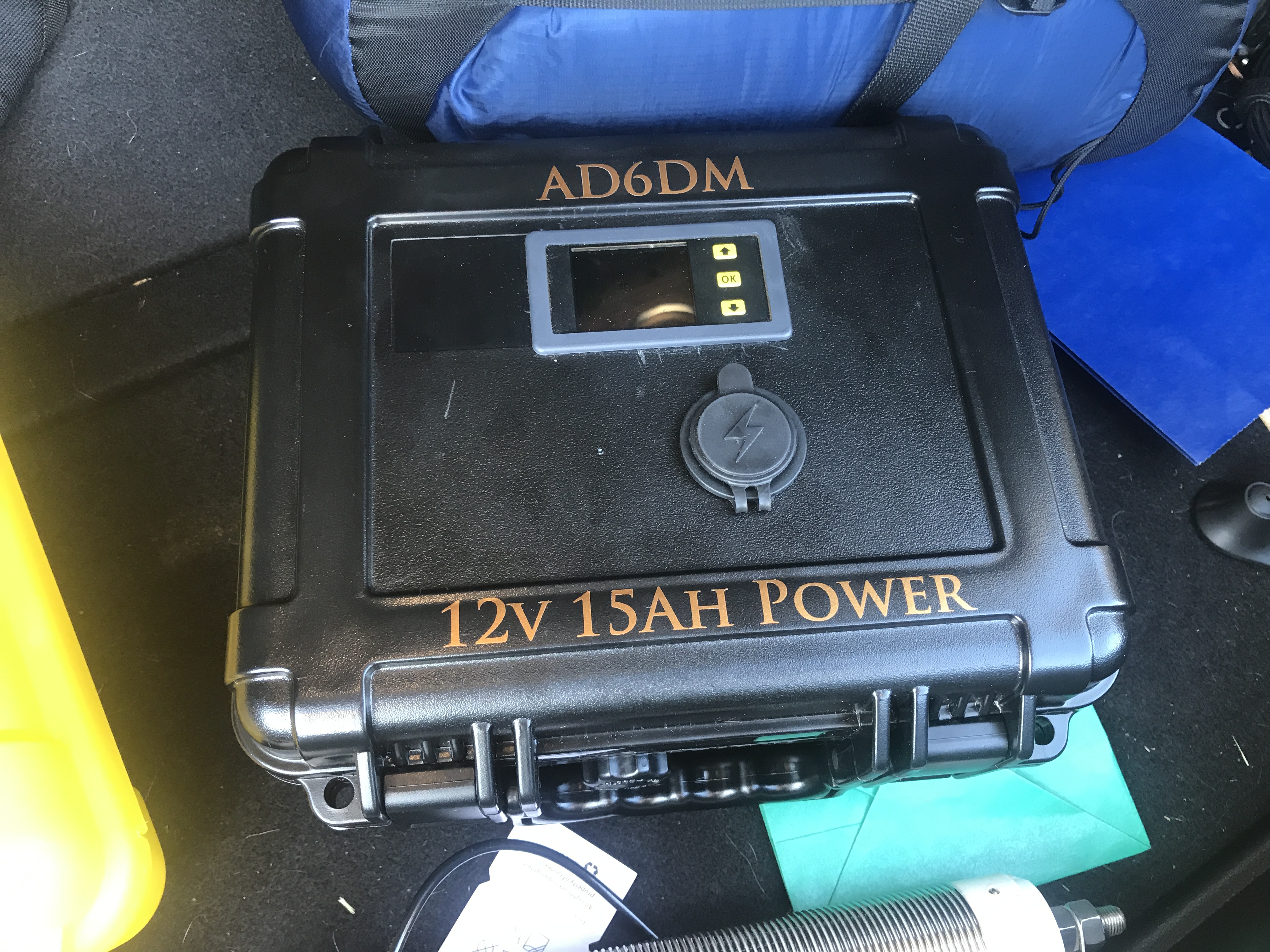
It’s been quite a journey since I first received the 3.2v Headway 40152S cells from China in March. Slowly but surely I have been learning more about DIY battery building, from balance management systems, to electric capacity and current calculations, all the way to how to fit things into a case with extensive wiring. There are plenty of YouTube mentors out there building batteries. The AD6DM 12v 15Ah Power Box Now I’m on a craze about Lithium power storage and solar energy, with the hopes of one day building my own home multi-Kwh power wall. In the meantime, I don’t think I’ll ever look at consumer batteries the same way ever again. I will always think, “Can I build that myself, and cheaper?” Even if this 15Ah power box project turned out to be excessively expensive, it was worth it in satisfaction and wisdom gained. See my video about it here: https://youtu.be/sB2phFIstCw


The Other Side of SOTA: Failed Chasing

In today’s episode, I go on my typical Lunch Time on the Air™ (LTOTA) during my lunch hour at work in Rancho Cordova, and I fail at chasing two of my friends activating Summits on the Air (SOTA): - Jose K6HZR activating San Juan Hill (1 pt) W6/CT-230 - Scott N0OI activating Bertha Peak (8 pts) W6/CT-103 Heard voices on Jose’s frequency, but couldn’t verify if it was him. Heard lots of chasers answering Scott, but I guess he couldn’t hear me. In any case, it’s great to know fellow ham friends are out and about, and I’ll try to do my part to help them even if I don’t get the chaser points (as is all too regular). What is SOTA?: https://www.sota.org.uk/ What is a Chaser?: https://www.sota.org.uk/Joining-In/Introduction-to-Chasing


How to Create a Multi-Mode XReflector

JerryNet is so named because one bored commute home, KG6HQD Jerry went on his DStar radio and connected to REF012A to see if anyone wanted to talk. This became a regular thing and JerryNet™ was born. Later we started talking about how to include other digital voice modes such as DMR and Fusion. We needed a cross-mode reflector so we ended up on the QuadNet Array on 757A. Someone from JerryNet threw out the idea of setting up our own multi-dv reflector similar to Quadnet’s. When I first heard this idea, I immediately thought it would be an impossibly daunting task. I had impressions of expensive hardware and codec boards and all kinds of crazy Windows applications. But thanks to the documented sharing of helpful hams like N5AMD (who helped start the reflector and website for San Antonio Digital Radio), as well as Quadnet and Kings of Digital, I was able to see that creating something like this was indeed doable. All that research led to a vision of what we wanted, and I drew that out like this: