The tl;dr
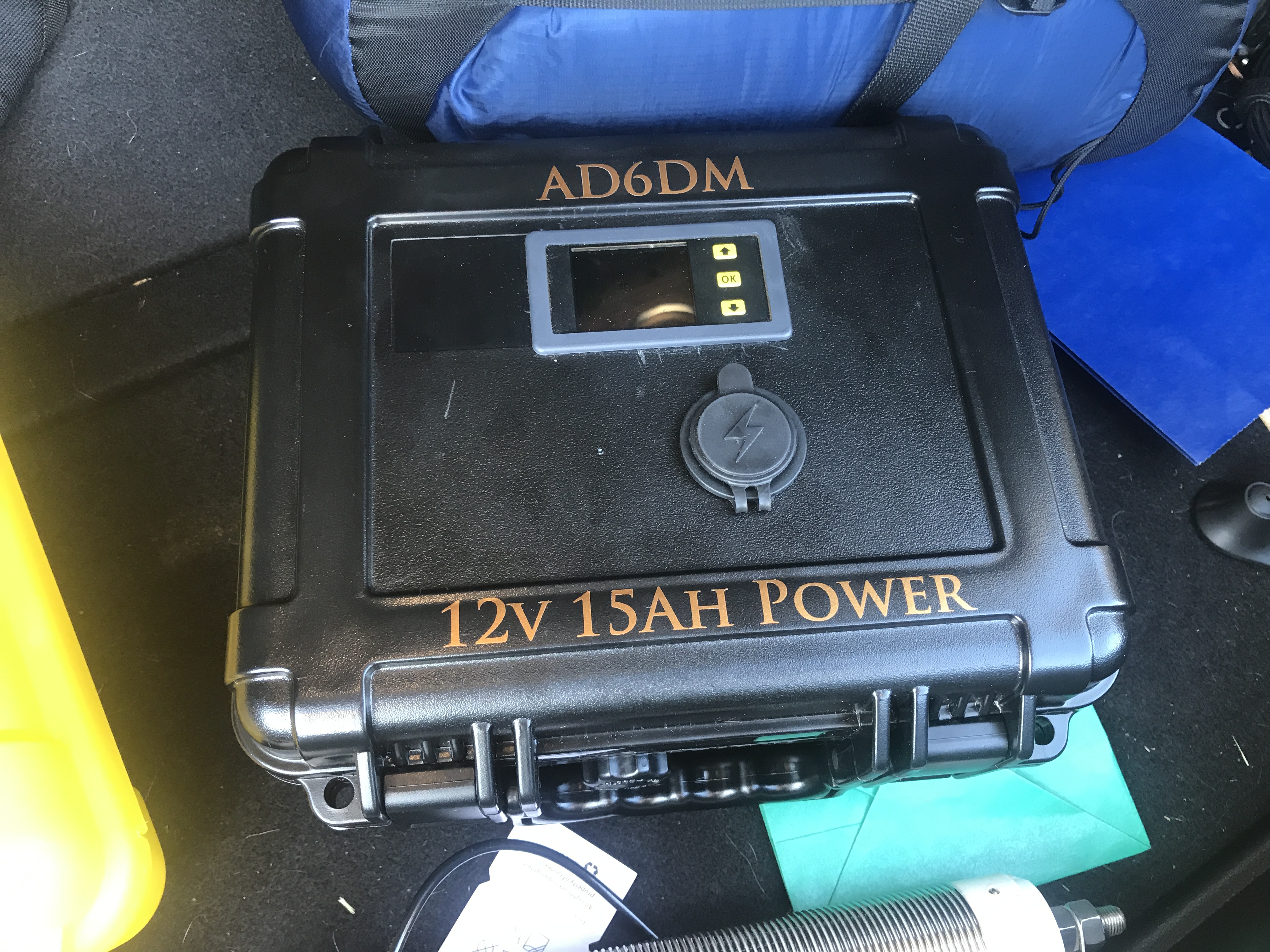
Lithium Iron Phosphate (LiFePO4) batteries are the cheapest, safest lithium chemistry with lighter battery packs, have a longer life with thousands of recharges, match traditional 12-volt specifications better than other chemistries, and have the most output: a 90% usable capacity. Hams love them!
I Need Power
Ham radio is a hobby that starts simply enough, normally through the purchase of a VHF/UHF handheld transceiver with its own battery pack and charger. Once an amateur radio operator decides that they want to go to more advanced HF and get their General class license (or move to mobile VHF/UHF rigs), that’s where the gear starts getting a little more complicated. 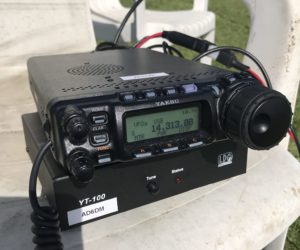 One of the things a new General class ham will find about new HF radios is there’s very little in the way of explaining how to power the more advanced rig. All you get is a funky Molex connector and a pair of bare wires with fuses on them. When I got my first HF rig, a Yaesu FT-857D, I was perplexed that I couldn’t just plug it in to the wall AC outlet. Many manufacturers do this because they do not know how you will install your new radio. Mobile ones like the 857D I had are intended to be wired to the 12V electrical system of a vehicle. Larger desktop HF radios also use 12V, but the manufacturer does not assume how you’re supplying that 12V or what type of power connector you’ll be using, so they just give you a long pair of black and red wires. Naturally, a new ham will want to either buy a 12V battery, or a 12V power supply. And not knowing any better, what are the 12V batteries we find everywhere? Car batteries. Sealed lead-acid (SLA) heavy batteries that power everything from motorcycles to boats.