EMCOMM

Amateur Radio Texting Using APRS

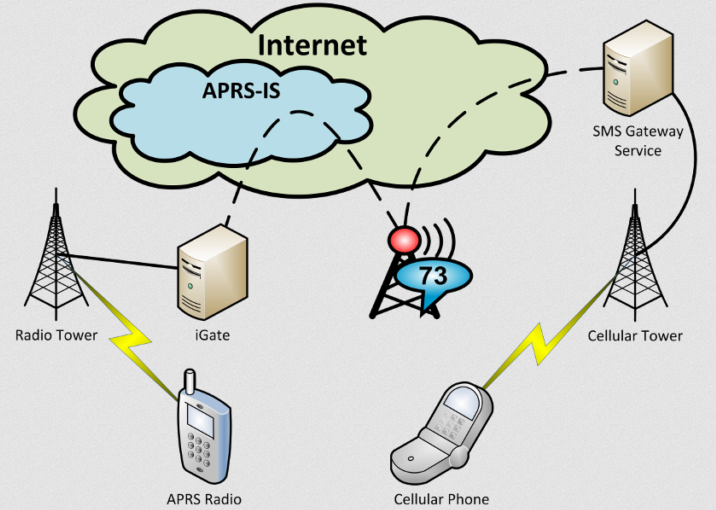
Experienced hams have been talking about using APRS messages for SMS texting to friends and family for a few years now. I was mildly interested but found messaging tedious on a handheld transceiver, as well as the brief privacy implications of APRS SMS registration a barrier to entry. However, when I finally bit the bullet and tried it out, especially with KI6NAZ’s revelations from using an Android tablet to compose messages (in Winlink), I realized that this is a fantastic and wholly viable option to traditional messaging when cell service is down in your immediate area. Hence, I present to you my documented findings of amateur radio texting using APRS. Check it out! https://bit.ly/how2smsaprs. Special thanks to KM4ACK Jason for introducing me to this topic about a year ago, and especially VE3OTB Paul for creating the SMSGTE service, a vital service worthy of donation support.  

Getting Tired of Battery Posts Yet?

I know I am getting tired watching myself talk about batteries. But it’s just fascinating to me to refine the build and power management process of readily available LiFePO4 cells. There are so many kinds! And they keep improving. I guess I have China to thank for that, so much of Maker / electrical components can be found from inexpensive Chinese distributors, making it easier and easier to have your own DIY projects. Anyway, here’s the latest in my series of portable battery builds. I found some really cheap 7Ah cells on Aliexpress, and had to try them out. I don’t want to become “the Battery Guy” since there are tons of people already doing that– and much much better than me. However, I want to share in the collective knowledge. Here’s the latest test of the promising specifications of LiitoKala 32700 batteries.   https://youtu.be/IJ7DjxWB0Pg


DIY Portable 12v 15Ah Power Box

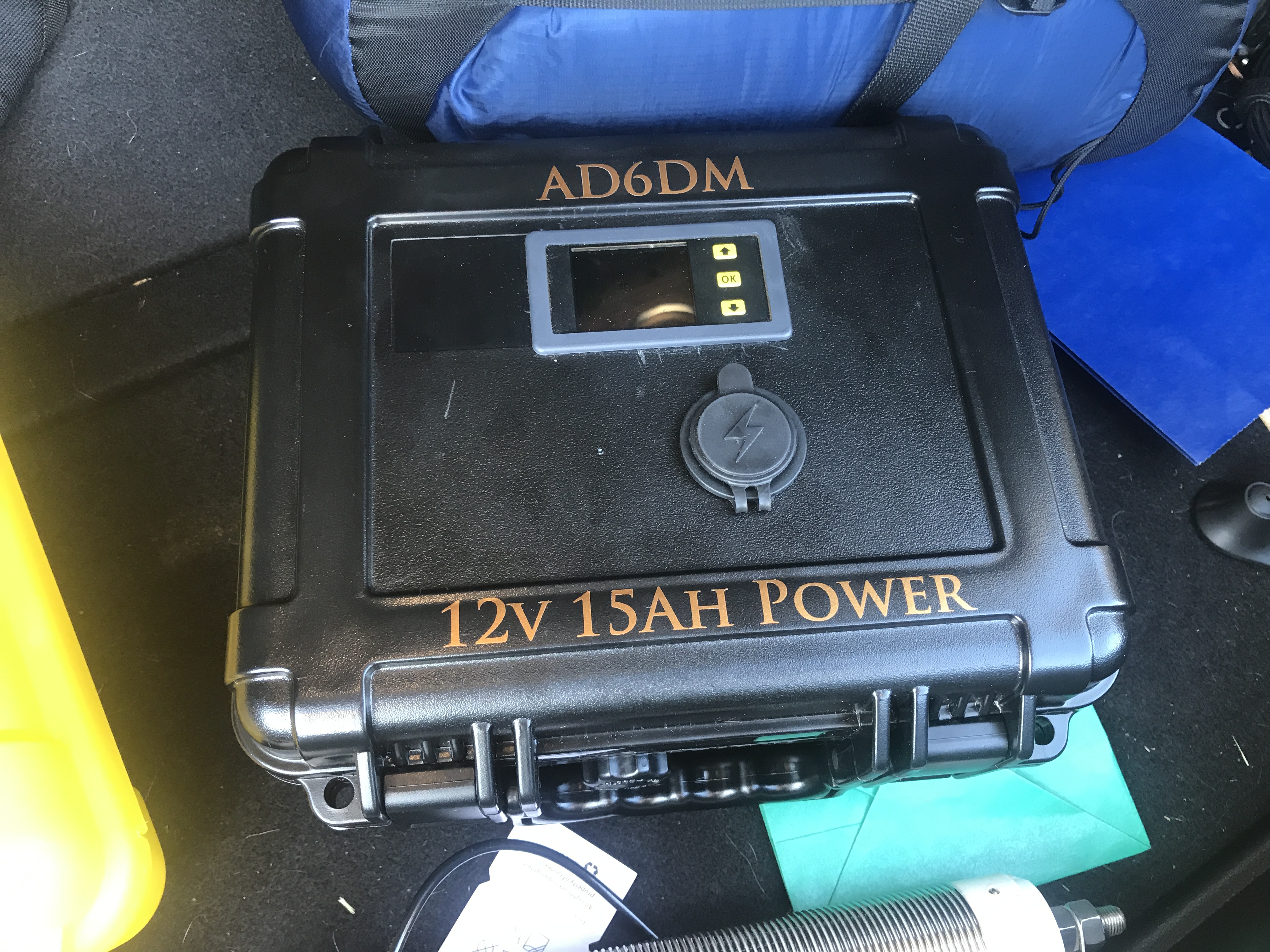
It’s been quite a journey since I first received the 3.2v Headway 40152S cells from China in March. Slowly but surely I have been learning more about DIY battery building, from balance management systems, to electric capacity and current calculations, all the way to how to fit things into a case with extensive wiring. There are plenty of YouTube mentors out there building batteries. The AD6DM 12v 15Ah Power Box Now I’m on a craze about Lithium power storage and solar energy, with the hopes of one day building my own home multi-Kwh power wall. In the meantime, I don’t think I’ll ever look at consumer batteries the same way ever again. I will always think, “Can I build that myself, and cheaper?” Even if this 15Ah power box project turned out to be excessively expensive, it was worth it in satisfaction and wisdom gained. See my video about it here: https://youtu.be/sB2phFIstCw


Sent first SSTV image

Using SSTV for iOS on my phone and a BTECH APRS-K1 Audio Interface Cable (albeit connected to a Kenwood TH-D74A), I just sent my first SSTV image on 145.510 MHz FM simplex. I don’t think anyone heard, but it was a proof of concept exercise. I recorded the transmission on a separate handheld, using a small voice recorder. Despite this lossy recording method, I was able to reconstruct the image pretty well using the same SSTV app. Here is the recording, give it a try with your decoder: Encoded with Scottie 1, try decoding this SSTV transmission with your own SSTV app. (here’s a media file download link) The implications of this mode are fascinating. I can imagine being in the field and needing to send a photo in a grid-down/remote situation. With just your phone (which is a camera), a cable, and a handheld, you can easily send out images of the scene. It’s basically color fax for hams! Moreover, it’s a quick method for exchanging digital QSL cards. :) This topic was covered in an EMCOMM class I took, but I did not realize the practicality of this. I thought it was “yet another digital mode” that required carrying around luxuries like a laptop computer, TNC, laptop power, and fancy antennas. The iPhone + handheld method brought this down to earth for me, and helped me realize it’s a very portable way of communicating. Here’s a list of SSTV frequencies I found: http://www.qsl.net/kb4yz/net.txt


CERT Basic Final Exercise 2/10

I had the chance to be a “survivor” of a mock disaster for the Sacramento Metro Fire Station 21 CERT Basic class disaster simulation today. This normally means having a severe injury and role-playing an often uncooperative survivor.

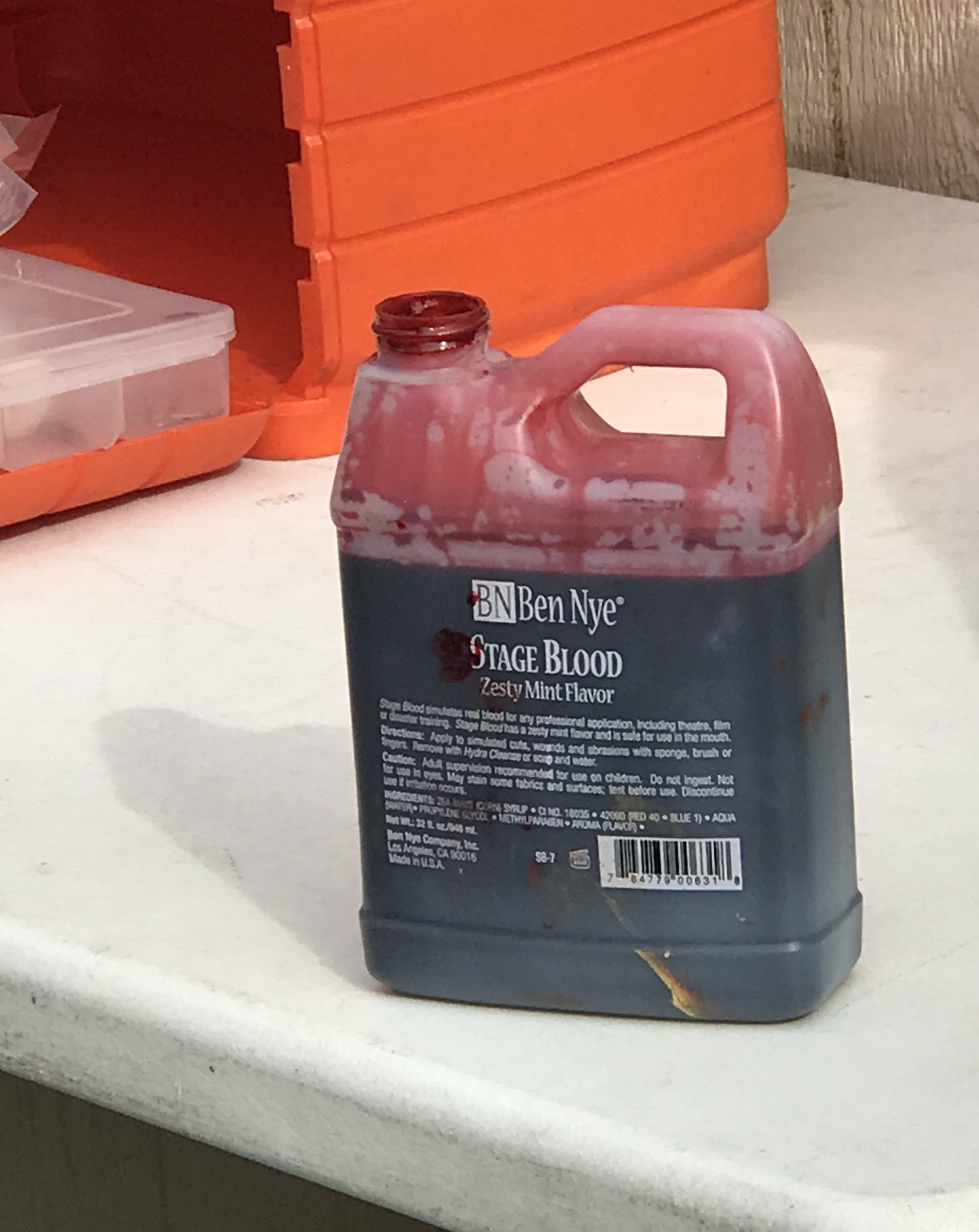
Stage blood for the CERT exercise, mint flavor.

I was to be a victim who had a big hit to the head, and was disoriented and wandering. This meant I did not get to be covered in blood, but only sported a large bruise on my forehead. Maybe I should have chosen to have more contusions on my face or something, would have been far messier. Our disaster event was we were survivors along the debris path of a plane crash. Other volunteers got to have a full makeup session of blood and gashes, one person even had a piece of glass sticking out of her head. CERT volunteers like to make it very realistic.


ARRL EC-001 Emergency Communications Course

Today marks the day I took the final for ARRL’s EC-001: Emergency Communications Basic/Level 1 course. It’s a 9 week course that I started in November and covers a wide range of EMCOMM topics: From the organizational structure of emergency communicator groups to traffic net etiquette to digital modes to message handling to deployment preparation and expectations. It is designed for those who want to volunteer in ARES or another emergency communications group.


Great California Shake-Out Earthquake Drill!

It was a quick checkin on the W6SF repeater from Folsom, CA today. In participation with The 2017 International ShakeOut Day, today Oct. 19, 2017 at 10:19am, we had a QST to check in to the drill. Most checkins had “no damage” but there could have been mock damage appended with “this is a drill” at the end of the transmission. Hitting the 147.165+ repeater (located by Fiddletown, CA some 30 miles away) from Folsom was difficult on my 5 maximum watts with mobile-mount antenna in a business parking lot. My radio tests 10 minutes before the drill got reports back of “no copy” with lots of noise, low audio. I had to drive around a bit to find a higher vantage point to hit the Sierras on my limited QRP. The whole drill was quick, lasting only about 7 minutes. It was great to participate. “Kilo Foxtrot Six Uniform Juliet Sierra, Folsom, No damage.” “Acknowledging KF6UJS in Folsom, no damage.” More final calls for checkins then that was it! The end was a recorded announcement and NZ6Q closed the drill and returned the repeater to normal operation. (Apologies, I only managed to record the end, was too distracted.) This exercise got me to thinking about what I need for a truly portable EMCOMM rig. A simple mag-mount fixed antenna, and especially with low watt HT (without charger, no less!), is hardly sufficient for the pockets of the valley. I might need to look into a dedicated portable mobile rig that can bump up the tx power, and an antenna that I can raise (e.g. foldable that can deploy on a stand) for clearer more reliable communications. So if I were stuck at the office during a catastrophe, I think I’d have to resort to other closer repeaters to reach out– and miss out on my own club’s traffic until I could move to a different location. Stuff to think about and plan for.